Introduction
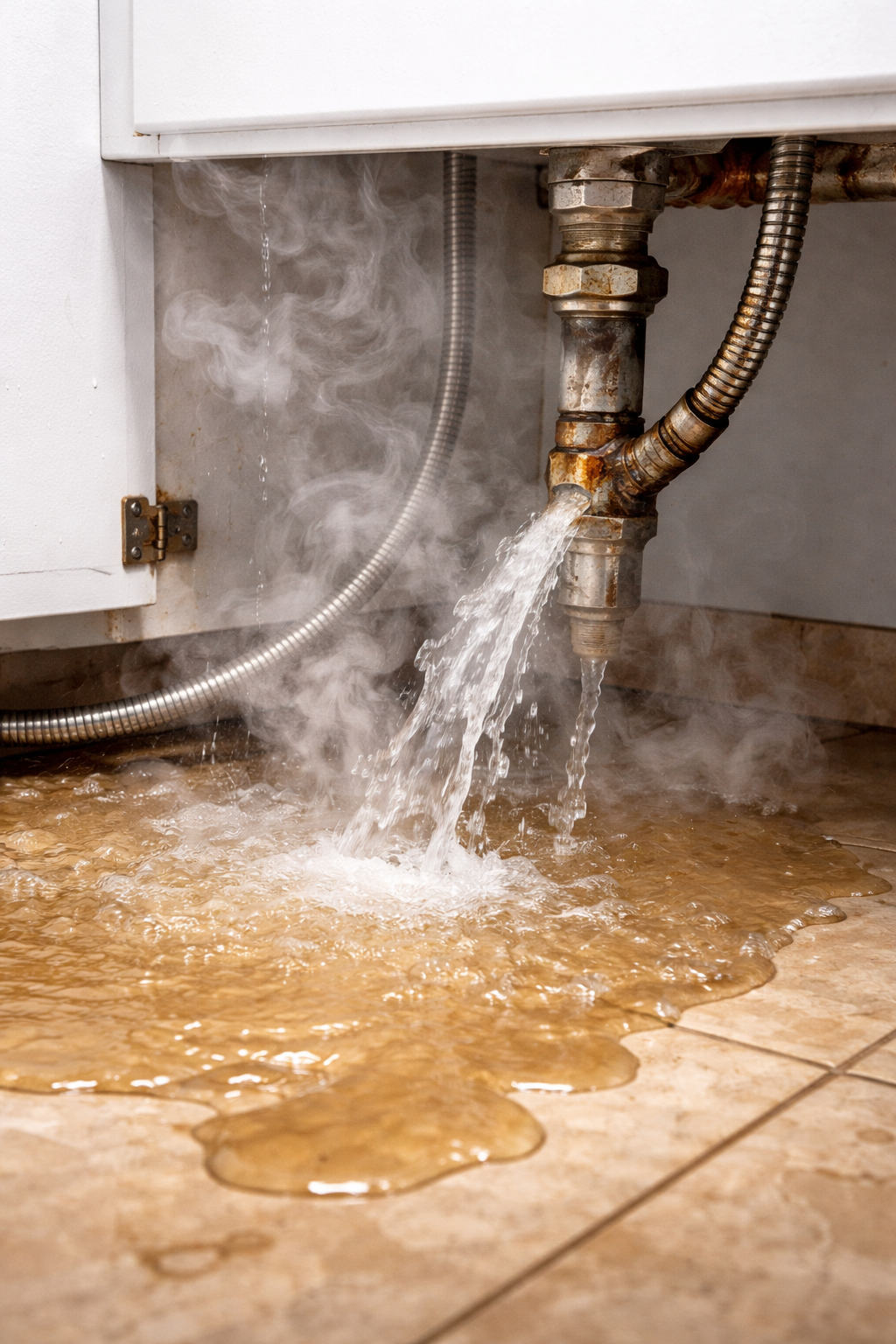
Hot water leaking is a plumbing issue that should never be ignored. Many homeowners assume that a small hot water leak is harmless, but in reality, it can quickly turn into a serious problem. Hot water leaks not only waste water but also increase energy bills, weaken building structures, and create safety hazards such as burns and electrical risks. Because hot water systems operate under pressure and heat, any leakage can worsen faster than a cold water leak.
This detailed guide explains everything you need to know about hot water leaking. From understanding what it is and why it happens to learning how to fix and prevent it, this article provides clear answers in simple language. The content is written to help both readers and answer-based search systems find accurate, helpful information quickly.
What Is Hot Water Leaking?
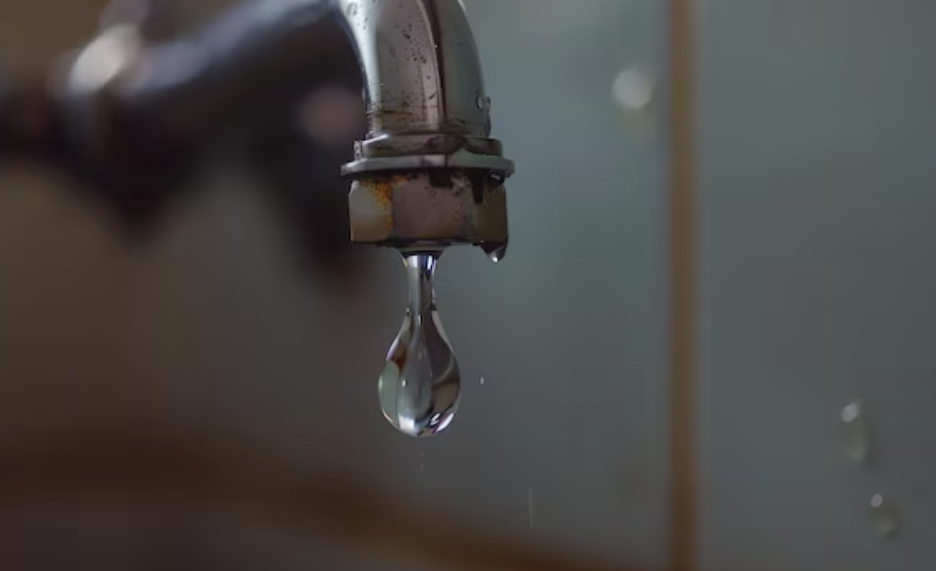
Hot water leaking occurs when heated water escapes from a plumbing system due to damaged pipes, loose connections, faulty valves, or a malfunctioning water heater. This leakage can happen in visible areas such as under sinks or near heaters, but it can also occur behind walls, under floors, or inside ceilings, making it difficult to detect early.
Because hot water causes expansion in pipes and fittings, it places more stress on plumbing materials. Over time, this stress leads to cracks, corrosion, or joint failure, allowing hot water to leak out continuously or intermittently.
How to Identify Hot Water Leaking
Hot water leaking does not always show itself clearly at first. In many cases, the signs are subtle and gradually become worse. You may notice water dripping from a pipe, moisture near fixtures, or rust marks around hot water lines. Sometimes, the walls or ceilings may feel warm or appear discolored due to constant exposure to hot water.
In hidden leaks, the most common indicators include unusually high gas or electricity bills, reduced hot water pressure, or a constant sound of running water even when taps are turned off. A musty smell caused by moisture buildup can also be a strong sign that hot water is leaking somewhere inside the structure.
Common Causes of Hot Water Leaking
One of the most frequent causes of hot water leaking is pipe corrosion. Hot water accelerates the corrosion process, especially in older metal pipes. Over time, minerals and sediments weaken the pipe walls, leading to cracks or pinhole leaks that allow hot water to escape.
Another major cause is a faulty water heater. A water heater can leak due to internal tank damage, a loose drain valve, a broken temperature and pressure relief valve, or excessive internal pressure. When sediment builds up inside the tank, it causes overheating, which can eventually crack the tank lining.
Loose joints and connections are also common reasons for hot water leaks. Because hot water expands pipes, repeated heating and cooling cycles can loosen fittings over time. This is especially common at elbows, bends, and threaded connections.
High water pressure places additional stress on hot water lines, increasing the risk of leaks. When pressure exceeds safe limits, it forces water through weak points in the system, causing frequent leakage and reducing the lifespan of plumbing components.
Worn-out valves and seals are another hidden cause. Rubber seals and washers deteriorate faster under heat, leading to slow but continuous leaks around valves, mixers, and shower cartridges.
Why Hot Water Leaking Is Dangerous
Hot water leaking is more dangerous than cold water leakage due to the combined effect of heat and moisture. Direct contact with leaking hot water can cause burns, especially in homes with children or elderly individuals. Continuous leakage can weaken walls, floors, and ceilings, resulting in costly structural repairs.
Moist environments created by hot water leaks encourage mold and mildew growth, which negatively impacts indoor air quality and health. If the leaked water reaches electrical wiring, it can create serious electrical hazards. Additionally, hot water leaks significantly increase energy consumption, as the heater must work harder to maintain temperature, leading to higher utility bills.
What to Do Immediately When Hot Water Is Leaking
When you notice hot water leaking, the first step is to turn off the main water supply to prevent further damage. Shutting off the water stops the leak from worsening and limits water exposure to surrounding areas.
Next, switch off the water heater. For electric heaters, turn off the power from the circuit breaker. For gas heaters, shut off the gas supply. This step is crucial to avoid overheating, pressure buildup, or further damage to the heater.
Opening nearby hot water taps helps release pressure from the system and allows remaining water to drain safely. It is important to avoid attempting complex DIY repairs, especially if the leak is severe or located inside walls. Professional plumbers have the tools and experience needed to fix the problem safely and permanently.
Professional Solutions for Hot Water Leaking
Professional plumbers assess the source and severity of the leak before recommending a solution. Minor pipe leaks may be temporarily sealed, but corroded or damaged pipes usually require replacement to prevent future failures.
If the issue lies with the water heater, repairs may include replacing faulty valves, flushing sediment buildup, or adjusting temperature settings. However, if the water heater tank itself is leaking and the unit is old, replacement is often the safest and most cost-effective option.
Hot Water Leaking Inside Walls or Ceilings
Hot water leaking inside walls or ceilings is particularly serious because it often goes unnoticed until major damage occurs. These leaks are commonly caused by hidden pipe bursts, poor insulation, or long-term wear and tear.
If you suspect a hidden hot water leak, immediately turn off the water supply and avoid using electrical switches near the affected area. Professional plumbers use advanced detection tools to locate hidden leaks without damaging walls unnecessarily.
How to Prevent Hot Water Leaking
Preventing hot water leaking starts with regular plumbing inspections. Annual inspections help identify weak pipes, loose connections, and early signs of corrosion before they turn into major issues.
Maintaining proper water pressure is equally important. Installing a pressure regulator prevents excessive stress on hot water lines and fixtures. Flushing the water heater regularly removes sediment buildup, reducing overheating and extending the heater’s lifespan.
Upgrading old plumbing systems is another effective preventive measure. Modern piping materials such as PEX or copper are more resistant to heat and corrosion. Installing leak detection systems provides instant alerts when a leak occurs, allowing quick action before damage spreads.
Hot Water Leaking and Energy Efficiency
Hot water leaking has a direct impact on energy efficiency. Every drop of leaked hot water represents wasted energy, as the heater continuously works to replace lost heat. This results in higher electricity or gas bills and reduces the efficiency of the entire plumbing system.
Fixing hot water leaks improves energy performance, lowers monthly expenses, and helps extend the life of water heating appliances.
When Should You Call a Professional Plumber?
You should contact a professional plumber immediately if hot water is leaking continuously, if the leak is located inside walls or ceilings, or if the water heater is leaking. Sudden drops in water pressure, unusual noises, or signs of electrical risk are also clear indicators that expert help is needed.
Conclusion
Hot water leaking is a serious plumbing problem that should never be ignored. What starts as a small leak can quickly escalate into major structural damage, safety hazards, and expensive repairs. By understanding the causes, recognizing early warning signs, and taking immediate action, homeowners can protect their property and avoid unnecessary stress.
Regular maintenance, timely repairs, and professional inspections are the most effective ways to prevent hot water leaking. Addressing the issue early ensures a safe, efficient, and reliable hot water system for the long term.
FAQs About Hot Water Leaking
What causes hot water leaking most often?
Hot water leaking is most commonly caused by corroded pipes, faulty water heaters, or worn-out valves due to constant heat and pressure.
Is hot water leaking an emergency?
Yes, hot water leaking can cause burns, electrical hazards, and serious structural damage, making it an emergency situation.
Can hot water leaking increase utility bills?
Yes, leaking hot water wastes energy and forces the heater to work harder, resulting in higher electricity or gas bills.
Should I turn off my water heater if it is leaking?
Yes, turning off the water heater and main water supply is essential to prevent further damage and safety risks.
Can hot water leaking be prevented?
Regular inspections, pressure control, proper maintenance, and timely pipe or heater replacement can significantly reduce the risk of hot water leaking.
