
Introduction
In modern homes and commercial buildings, comfort, safety, and functionality depend heavily on properly installed and maintained water and gas systems. From clean water supply to safe gas flow for cooking and heating, these systems work silently in the background of our daily lives. Behind this smooth operation are highly skilled professionals known as the plumber and gas fitter.
A plumber and gas fitter is not just a technician who fixes leaks or installs pipes; they are trained specialists responsible for protecting lives, property, and public health. Poor plumbing can cause water damage and contamination, while faulty gas fittings can lead to serious hazards such as leaks, fires, or explosions. This makes the role of a plumber and gas fitter critically important in both residential and commercial environments.
This article explores in detail who a plumber and gas fitter is, what services they provide, why they are essential, the skills they require, and how to choose the right professional for your needs.
Who Is a Plumber and Gas Fitter?
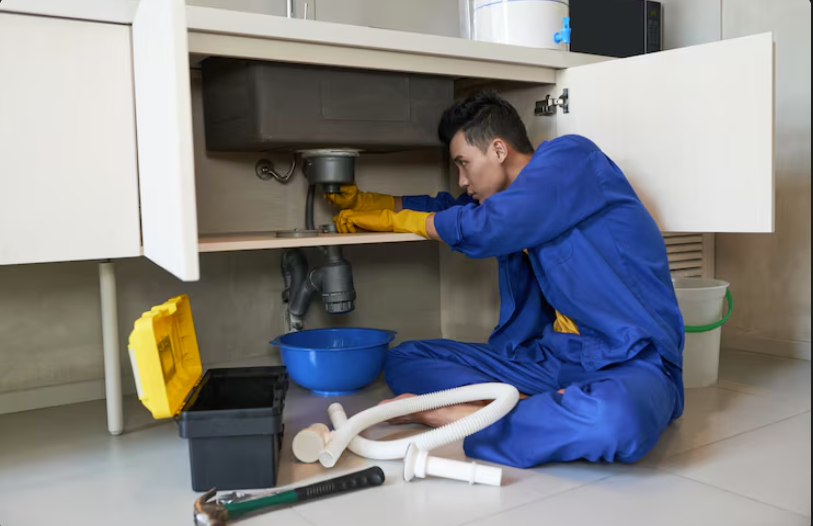
A plumber and gas fitter is a certified tradesperson who installs, repairs, and maintains plumbing systems and gas lines. Plumbing systems include water supply, drainage, sewage, and fixtures, while gas fitting involves working with natural gas or LPG systems used for cooking, heating, and hot water.
Unlike general handymen, plumbers and gas fitters undergo specialized training and certification. Their work must comply with strict safety standards and local building codes. In many regions, gas fitting is legally restricted to licensed professionals due to the high risks involved.
The Importance of a Plumber and Gas Fitter in Daily Life
The role of a plumber and gas fitter directly impacts daily comfort and safety. Clean water, effective drainage, and safe gas supply are essential for healthy living. Without professional installation and maintenance, these systems can fail, leading to serious consequences.
Water leaks can weaken building structures, encourage mold growth, and increase utility bills. Gas leaks, on the other hand, can cause poisoning or explosions. A qualified plumber and gas fitter helps prevent these dangers through proper design, installation, and regular maintenance.
Core Responsibilities of a Plumber and Gas Fitter
Plumbing System Installation
One of the primary duties of a plumber and gas fitter is installing plumbing systems in new buildings or during renovations. This includes laying pipes, connecting fixtures, and ensuring proper water pressure and drainage. Correct installation ensures long-term reliability and reduces the risk of leaks or blockages.
Gas Line Installation and Maintenance
Gas fitting is a specialized area requiring precision and strict adherence to safety regulations. A plumber and gas fitter installs gas pipelines, connects appliances such as stoves and heaters, and tests systems for leaks. Regular inspections and maintenance help prevent dangerous gas-related incidents.
Repair and Emergency Services
Leaks, burst pipes, blocked drains, and gas faults often require immediate attention. A professional plumber and gas fitter can quickly diagnose problems and provide safe, effective repairs. Their expertise is especially critical during emergencies where delays can cause severe damage or safety risks.
Residential Services Provided by a Plumber and Gas Fitter
Home Plumbing Solutions
In homes, plumbers and gas fitters handle a wide range of tasks, including fixing leaking taps, repairing toilets, installing showers, and maintaining water heaters. They ensure that household plumbing systems operate efficiently and hygienically.
Kitchen and Bathroom Installations
Kitchens and bathrooms rely heavily on plumbing and gas systems. A plumber and gas fitter installs sinks, faucets, dishwashers, gas stoves, and water heaters, ensuring proper connections and compliance with safety standards.
Gas Appliance Installation
Installing gas appliances without professional help can be extremely dangerous. A certified plumber and gas fitter ensures appliances are installed correctly, ventilated properly, and tested for leaks before use.
Commercial and Industrial Plumbing and Gas Fitting
Large-Scale Plumbing Systems
Commercial buildings such as offices, hospitals, hotels, and shopping centers require complex plumbing systems. A plumber and gas fitter designs and maintains these systems to handle high demand and ensure uninterrupted service.
Industrial Gas Systems
In industrial settings, gas systems may power machinery or large heating units. A skilled plumber and gas fitter ensures these systems are installed safely and maintained regularly to avoid costly downtime or hazardous situations.
Skills and Qualifications of a Professional Plumber and Gas Fitter
Technical Knowledge
A plumber and gas fitter must understand pipe systems, pressure levels, gas behavior, and building codes. This technical knowledge allows them to design and repair systems safely and efficiently.
Problem-Solving Skills
Diagnosing plumbing or gas issues often requires critical thinking. A skilled plumber and gas fitter can identify hidden problems and provide long-lasting solutions rather than temporary fixes.
Safety Awareness
Safety is the most important aspect of gas fitting. A professional plumber and gas fitter follows strict safety procedures, uses proper tools, and ensures compliance with regulations to protect people and property.
Why Licensing and Certification Matter
Hiring a licensed plumber and gas fitter is not just a legal requirement in many places; it is a matter of safety. Licensed professionals have completed formal training and assessments that prove their competence.
Unlicensed work can lead to faulty installations, voided insurance, and serious hazards. A certified plumber and gas fitter provides peace of mind, knowing that the work meets legal and safety standards.
Common Problems Handled by a Plumber and Gas Fitter
Water Leaks and Pipe Damage
Leaks can occur due to aging pipes, corrosion, or poor installation. A plumber and gas fitter repairs or replaces damaged sections to prevent water loss and structural damage.
Blocked Drains and Sewers
Blocked drains can cause unpleasant odors and hygiene issues. Professional plumbers use specialized equipment to clear blockages and restore proper flow.
Gas Leaks and Pressure Issues
Gas leaks are extremely dangerous and require immediate professional attention. A plumber and gas fitter uses detection tools to locate leaks and repair them safely.
Benefits of Hiring a Professional Plumber and Gas Fitter
Long-Term Cost Savings
Although professional services may seem expensive initially, they save money in the long run by preventing recurring issues and costly repairs caused by poor workmanship.
Enhanced Safety
A qualified plumber and gas fitter reduces the risk of water damage, gas leaks, and other hazards, ensuring a safer living and working environment.
Quality Workmanship
Professional plumbers and gas fitters use high-quality materials and proven techniques, resulting in durable and reliable systems.
How to Choose the Right Plumber and Gas Fitter
Check Credentials and Experience
Always verify licenses, certifications, and experience before hiring a plumber and gas fitter. Experienced professionals are more likely to deliver reliable results.
Read Reviews and Get Recommendations
Customer reviews and referrals provide insight into the quality of service offered by a plumber and gas fitter.
Ask for Clear Pricing
A trustworthy plumber and gas fitter provides transparent pricing and explains the scope of work before starting the job.
The Future of Plumbing and Gas Fitting
The plumbing and gas fitting industry is evolving with new technologies such as smart water systems, energy-efficient gas appliances, and environmentally friendly solutions. Modern plumbers and gas fitters are adapting to these innovations, offering services that reduce energy consumption and environmental impact.
As buildings become more complex, the demand for skilled plumbers and gas fitters will continue to grow, making this profession more important than ever.
Conclusion
The plumber and gas fitter plays a vital role in ensuring the safety, comfort, and functionality of our homes and workplaces. From installing complex systems to handling emergencies, their expertise protects lives and property every day.
Choosing a qualified and licensed plumber and gas fitter is an investment in safety, efficiency, and long-term reliability. Whether it is a small household repair or a large commercial installation, professional workmanship makes all the difference.
In a world that relies heavily on water and gas systems, the plumber and gas fitter remains an essential professional, ensuring that modern life runs smoothly, safely, and efficiently.
